Hair Transplant Miami: Restore Hair with Expert Care
Hair transplant Miami services offer a lasting solution for thinning hair, receding hairlines, and bald spots by restoring natural-looking growth with your own healthy follicles. With expert care, advanced techniques, and personalized treatment planning, a hair transplant can help improve appearance and confidence while delivering results designed to blend seamlessly with existing hair.

Hair loss can affect confidence, appearance, and daily life. For many people, a hair transplant offers a long-term solution that restores natural-looking hair and helps them feel like themselves again. If you are searching for hair transplant Miami, you are likely looking for a trusted treatment option, clear information about the process, and what results you can realistically expect.
A hair transplant in Miami can be an effective way to address thinning hair, receding hairlines, and bald spots using your own healthy hair follicles. With expert care, modern techniques, and a personalized treatment plan, patients can achieve results that look natural and blend with their existing hair. For readers who want to compare restoration options, you may also find this guide to natural hair restoration helpful.

- What Is a Hair Transplant?
- Why Choose a Hair Transplant in Miami?
- Common Hair Transplant Techniques
- Who Is a Good Candidate?
- What Happens During a Hair Transplant?
- What Is Recovery Like?
- Are Hair Transplant Results Permanent?
- What Does Long-Term Hair Restoration Planning Look Like?
- How Much Does a Hair Transplant Cost in Miami?
- What Questions Should You Ask During a Consultation?
- Are There Risks or Side Effects?
- How to Choose the Right Hair Transplant Specialist in Miami
- Can Women Get Hair Transplants?
- Why Natural-Looking Design Matters
- Final Thoughts
What Is a Hair Transplant?
A hair transplant is a cosmetic procedure that moves healthy hair follicles from one part of the scalp, usually the back or sides, to areas where hair is thinning or missing. Because the transplanted follicles come from your own scalp, they continue to grow in the new location over time.
This treatment is commonly used for:
- Male pattern baldness
- Female hair thinning
- Receding hairlines
- Thinning at the crown
- Hair loss from injury or surgery
Unlike temporary solutions such as concealers, wigs, or topical products, a hair transplant is designed to provide lasting improvement. In many cases, patients choose hair transplant Miami care because they want a solution that supports both appearance and confidence.
A well-planned hair transplant aims to restore density where it matters most without creating an artificial look. That balance between coverage and natural growth pattern is one reason consultation and planning are so important.
For many patients, the best results come from understanding both the procedure and the long-term strategy behind it. A thoughtful hair transplant Miami plan focuses on donor supply, future hair loss, and how the final hairline will age over time.
Why Choose a Hair Transplant in Miami?
Miami is a popular destination for hair restoration because it offers access to experienced specialists, advanced technology, and customized treatment options. Many patients choose hair transplant Miami services for the combination of professional care and cosmetic expertise.
Some of the main reasons people seek treatment in Miami include:
- Access to board-certified hair restoration professionals
- Modern surgical techniques with natural-looking outcomes
- Personalized consultations and treatment planning
- A wide range of options for different hair loss patterns
- A cosmetic-focused environment that values appearance and detail
Choosing the right provider matters just as much as choosing the procedure itself. A skilled team can assess your hair loss, determine whether you are a good candidate, and recommend the best approach for your goals. In some cases, patients compare local options with other restoration destinations and methods before deciding on a plan.
If you want to read patient feedback and broader treatment perspectives, this article on customer testimonials for hair restoration offers another useful viewpoint on what people look for when choosing a clinic.
Another reason people consider hair transplant Miami care is convenience. When a clinic provides strong communication, a clear treatment roadmap, and careful follow-up, the experience becomes much easier to manage from consultation through recovery.
Common Hair Transplant Techniques
There are two main methods used in hair transplantation. Understanding the difference can help you know what to expect during your consultation and how the procedure may be tailored to your hair loss pattern.
FUE Hair Transplant
FUE stands for Follicular Unit Extraction. In this method, individual hair follicles are removed from the donor area and transplanted into the thinning or balding area.
Benefits of FUE include:
- Minimal scarring
- Faster recovery for many patients
- Natural-looking results
- Flexibility for different hair types and styles
FUE is one of the most popular options because it is less invasive than older methods and can create a refined, natural appearance. Many patients looking into hair transplant Miami treatment are especially interested in FUE because it supports a discreet recovery and precise graft placement.
FUT Hair Transplant
FUT stands for Follicular Unit Transplantation. In this method, a small strip of scalp is removed from the donor area, and the follicles are separated and transplanted into the thinning area.
Benefits of FUT include:
- Efficient use of donor hair
- May be suitable for patients needing a larger number of grafts
- Often a good option for more advanced hair loss
Your specialist will explain which method is better based on your hair type, donor supply, goals, and pattern of hair loss. In some cases, the final recommendation may also depend on whether you want a tighter donor area recovery or need to maximize graft numbers in a single session.
For readers comparing modern extraction-based approaches, the detailed overview of FUE hair implant precision and natural results can help explain why follicle-by-follicle placement is so widely used today.
Many consultations for hair transplant Miami patients include a discussion of graft counts, donor density, and how the technique will support the final hairline design. Those details matter because they influence both the outcome and the healing experience.
Who Is a Good Candidate?
Not everyone with hair loss is an immediate candidate for a transplant. A consultation is important to determine whether the treatment will likely produce good results.
You may be a good candidate if you:
- Have noticeable thinning or bald areas
- Have healthy donor hair available
- Are in good overall health
- Have realistic expectations
- Want a long-term solution for hair restoration
Your provider will also consider the cause of hair loss. Some conditions cause temporary shedding, while others lead to progressive thinning. In some cases, medical treatment may be recommended before or alongside a hair transplant.
People often search for hair transplant Miami because they want a clear answer about candidacy. The truth is that the best candidates are usually those with enough donor hair, stable hair loss patterns, and a plan that matches their long-term goals.
Hair restoration is not only about filling in missing areas. It is also about choosing timing wisely so the transplanted hairs can complement the hair you still have. This is why a detailed evaluation matters so much.
A careful evaluation also helps the specialist decide whether a single session is enough or whether a staged approach would create a better result. In either case, hair transplant Miami care should be built around your individual hair loss pattern rather than a one-size-fits-all method.
What Happens During a Hair Transplant?
Many people want to know exactly what the procedure involves. While the details can vary depending on the technique used, the overall process usually follows a few basic steps.
1. Consultation and Planning
The first step is a thorough evaluation. The doctor examines your scalp, reviews your hair loss history, and discusses your goals. They may also design a hairline that complements your facial features and age.
2. Preparation of the Donor Area
The donor area is trimmed or prepared for follicle removal. Local anesthesia is typically used to keep the procedure comfortable.
3. Harvesting the Hair Follicles
Depending on whether FUE or FUT is used, the follicles are extracted from the donor area with careful precision.
4. Creating the Recipient Sites
Tiny incisions are made in the thinning or balding areas. The angle, direction, and density of these sites are important for achieving a natural look.
5. Implanting the Follicles
The harvested follicles are placed into the recipient sites with attention to detail so they blend with your existing hair growth pattern.
6. Recovery and Aftercare
After the procedure, you receive instructions for washing, sleeping, and protecting the scalp as it heals.
A successful hair transplant Miami experience depends not only on the surgery itself but also on how carefully the plan is designed before treatment begins. Good planning improves the chance of balanced coverage, natural direction, and long-term satisfaction.
Because each phase matters, patients should ask how grafts are handled, how the hairline is mapped, and what kind of aftercare support is available. Those answers can make a major difference in the overall experience.
What Is Recovery Like?
Recovery from a hair transplant is usually manageable, especially when aftercare instructions are followed carefully. Most patients experience some redness, swelling, and mild discomfort for a short period after treatment.
Typical recovery timeline:
- First few days: Mild tenderness, swelling, or scabbing may occur
- 1 to 2 weeks: Scabs usually fall off and the scalp begins to heal
- 2 to 8 weeks: Transplanted hairs may shed temporarily, which is normal
- 3 to 4 months: New growth begins to appear
- 6 to 12 months: Results continue to improve and become more visible
It is important to remember that hair transplant results take time. New hair growth is gradual, and final results are usually seen several months after the procedure. During this period, patients should follow washing, sun-protection, and activity guidelines closely.
Many patients also ask how recovery fits into work and social plans. In general, downtime is limited, but a professional clinic will give specific instructions based on the procedure performed and the number of grafts placed.
Some people are surprised when the transplanted hairs shed early in recovery, but this is a normal part of the process. When the new hair begins to grow later, the improvement becomes easier to see and the result often looks increasingly natural.
Are Hair Transplant Results Permanent?
One of the biggest reasons people consider hair restoration is the possibility of long-lasting results. In most cases, transplanted hair is resistant to the hormone that causes pattern baldness, which means it can continue growing in the new area for many years.
However, existing non-transplanted hair may continue to thin over time. That is why many providers create a long-term treatment plan that may include future touch-ups or supportive therapies.
A realistic discussion about permanence is an important part of any hair transplant Miami consultation. The goal is not to promise that every hair on the scalp will remain unchanged forever, but to create durable improvement where transplanting follicles makes the most sense.
For some patients, long-term maintenance may include medications, scalp care, or follow-up reviews to monitor density and preserve the overall result. That is especially useful when hair loss is still evolving.
The best long-term outcomes often come from combining surgical skill with conservative planning. A good clinic will think about how your hair may change in the future and design a result that still looks balanced years later.
What Does Long-Term Hair Restoration Planning Look Like?
Hair restoration should be viewed as a long-term process, not just a single procedure. That is especially true for patients who are early in their hair loss journey or who expect continued thinning over time.
Long-term planning may include:
- Mapping the current pattern of loss
- Estimating how the hairline and crown may change
- Conserving donor hair for future use
- Choosing a design that remains natural as you age
- Considering medical therapy to support non-transplanted hair
This kind of planning is one reason experienced providers are so valuable. A well-designed hair transplant Miami treatment should fit not only your current goals but also your future appearance.
Patients who think ahead are often happier with their results because the design looks balanced now and remains believable later. That is especially important for the frontal hairline, which is one of the first things people notice.
What About Results Compared With Other Hair Restoration Options?
Not every patient needs the same solution. Some people respond well to non-surgical therapies, while others need a transplant to address significant thinning or baldness. The right choice depends on your hair loss pattern, donor supply, and expectations.
In the broader hair restoration field, many patients compare surgical treatment with advanced methods such as follicular unit extraction in Yerevan or other specialist approaches. Looking at different options can help people understand what truly matters: surgeon skill, graft planning, and natural design.
Ultimately, hair transplant Miami patients are usually seeking a durable result that fits their lifestyle and appearance goals. For that reason, consultation quality matters just as much as the procedure itself.
It can also be helpful to compare the role of surgery with other restoration options, especially if your thinning is still mild. Some patients only need supportive treatment for now, while others benefit most from a transplant combined with a maintenance plan.
How Much Does a Hair Transplant Cost in Miami?
The cost of a hair transplant in Miami can vary widely depending on:
- The extent of hair loss
- The number of grafts needed
- The technique used
- The surgeon’s experience
- The complexity of the case
Because every patient is different, a consultation is the best way to get an accurate estimate. While cost matters, it should not be the only factor in your decision. Quality, safety, and natural-looking results are also essential.
Some clinics break pricing down by graft count, while others offer package-based planning. Either way, patients should ask what is included, how follow-up is handled, and whether the quoted price reflects the full scope of treatment.
People comparing options often study hair transplant pricing alongside surgeon experience and patient reviews. That approach makes sense because the cheapest choice is not always the best value when the goal is lasting coverage and natural hairline design.
When evaluating a quote, it helps to ask whether the clinic provides post-procedure visits, instructions for recovery, and access to the team if questions come up later. Those details are part of the overall value of hair transplant Miami treatment.
What Questions Should You Ask During a Consultation?
If you are considering hair transplant Miami services, asking the right questions can help you choose the best provider.
Helpful questions include:
- Am I a good candidate for a hair transplant?
- Which technique do you recommend and why?
- How many grafts will I need?
- What kind of results can I expect?
- What is the recovery process like?
- Are there any risks or side effects?
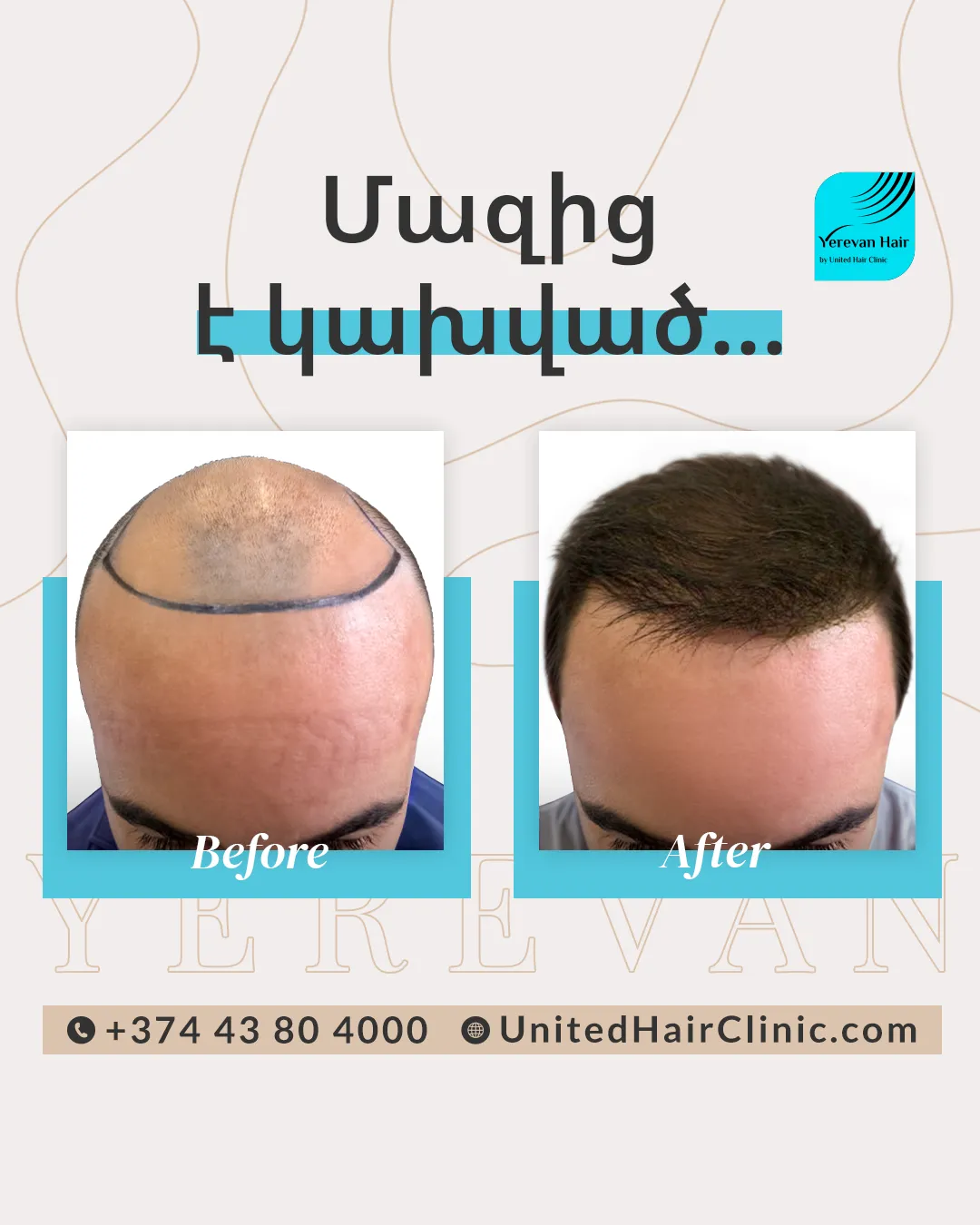
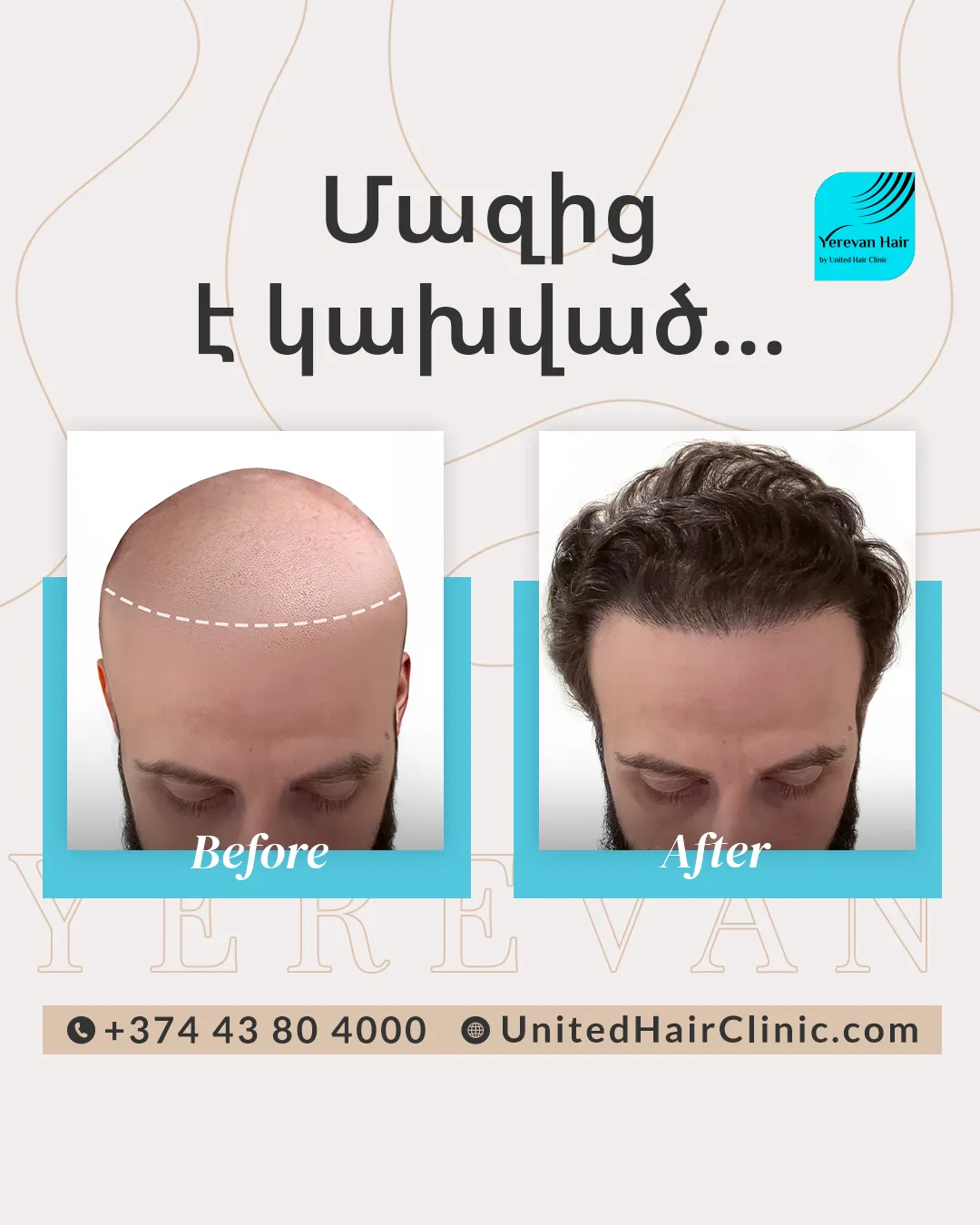
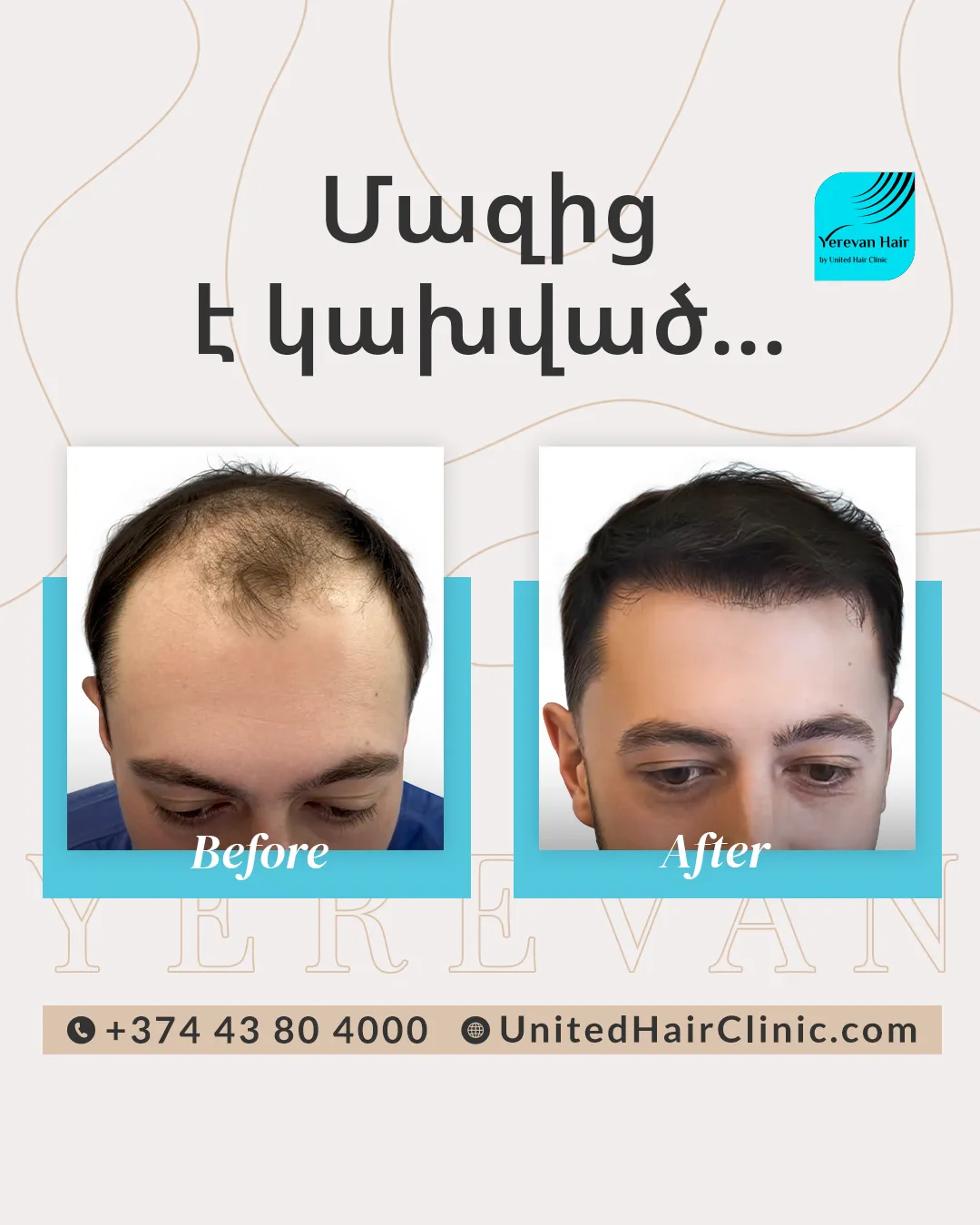
- Can you show before-and-after photos of previous patients?
A trustworthy specialist will answer your questions clearly and help you understand every part of the process. The consultation should leave you feeling informed, not rushed.
You can also ask how the clinic handles hairline design, whether the team uses a standard approach or a custom plan, and what support is available after treatment. Clear answers are often a sign of strong patient care.
Are There Risks or Side Effects?
Like any medical procedure, a hair transplant has possible risks and side effects. Most are temporary and manageable when the procedure is performed properly and recovery instructions are followed.
Possible side effects may include:
- Swelling
- Redness
- Scabbing
- Temporary numbness
- Itching during healing
- Temporary shedding of transplanted hair
More serious complications are less common but can occur. These may include infection, poor growth, or unnatural hairline design if the procedure is not performed carefully.
Working with a qualified provider helps lower these risks. That is another reason people researching hair transplant Miami options should focus on experience, technique, and communication rather than price alone.
Patients who understand both the benefits and the limitations of the procedure are usually better prepared and more satisfied with their outcome. Honest expectations create a better experience from the start.
How to Choose the Right Hair Transplant Specialist in Miami
Choosing the right specialist is one of the most important steps in the process. The skill of the surgeon and the quality of the clinic will influence both the appearance of the result and the smoothness of the recovery.
Look for a provider who offers:
- Experience in hair restoration procedures
- Clear consultation and treatment planning
- Natural-looking before-and-after examples
- Transparent communication about risks and results
- Support before, during, and after treatment
It can also be useful to ask about the clinic’s approach to density, hairline design, and donor management. These details often separate an average outcome from a truly polished result.
When patients choose hair transplant Miami care, they are usually looking for more than just a procedure. They want a team that understands aesthetics, respects long-term planning, and delivers care that feels personal.
If you are comparing options, look at reviews, credentials, consultation quality, and the consistency of results shown in patient photos. Those factors often tell you more than a simple price quote.
Can Women Get Hair Transplants?
Yes, women can be good candidates for hair transplants when hair loss is concentrated in certain areas and donor hair is strong enough to support the procedure.
Women may seek treatment for:
- Thinning along the part line
- Traction-related hair loss
- Receding hair around the temples
- Scarring from injury or surgery
Because female hair loss patterns can differ from male pattern baldness, evaluation is especially important. A specialist will determine whether a transplant is the right option or whether another treatment would be more effective.
For many women, the appeal of hair transplant Miami treatment is the possibility of improving density without dramatically changing their overall style. When the approach is customized correctly, the result can look subtle and natural.
Why Natural-Looking Design Matters
Hair restoration is not only about adding more hair. It is about placing hair in a way that looks believable in real life, under different lighting, and at different stages of growth.
Natural-looking design depends on several factors:
- The angle and direction of each graft
- The placement of the hairline
- The balance between density and donor conservation
- The use of single hairs in the front and denser grafts behind
- Planning for future hair loss
A well-executed hair transplant Miami procedure should avoid a harsh or artificial line. Instead, it should recreate softness and irregularity, which are hallmarks of real hair growth.
This is also where artistic judgment matters. Technical skill is important, but so is the ability to design a result that fits your face and remains age-appropriate.
Additional Considerations Before Booking
Before booking a procedure, take time to think about your goals and schedule. Some patients are looking for a dramatic change, while others simply want to restore a more youthful hairline or improve overall fullness.
It is also wise to consider the timing of the procedure around travel, work responsibilities, and social events. Even when recovery is straightforward, planning ahead makes the experience easier.
Patients who research hair transplant Miami options carefully often feel more confident because they know what to expect. The more informed you are, the easier it becomes to choose a provider and follow the recovery process.
If you are also comparing broader cost and destination-based restoration options, you may want to review the article on hair implant cost and effective hair restoration for additional context on pricing and planning.
For some patients, the best next step is not immediate surgery but a consultation that clarifies whether a transplant, medication, or staged plan will produce the best outcome. That kind of guidance can save time and lead to better results.
Final Thoughts
A hair transplant can be a powerful solution for people dealing with thinning hair, receding hairlines, or bald spots. With the right planning and the right provider, the procedure can deliver natural-looking, lasting improvement.
If you are exploring hair transplant Miami options, focus on experience, candidacy, recovery support, and natural design. The best results usually come from a careful plan that matches your hair loss pattern and your long-term goals.
When done well, a hair transplant Miami treatment can restore more than hair. It can restore confidence, simplify daily styling, and give you a result that feels like a true part of you.
For a broader medical overview of hair restoration procedures, the Mayo Clinic hair transplant guide is a helpful educational resource.
Whether you are just starting your research or ready to book a consultation, taking a thoughtful approach will help you make the most informed decision possible.