Crown Hair Transplant: Coverage, Recovery and Quotes
Ask how the team plans around the crown pattern and whether covering this area affects the graft estimate.

Crown Hair Transplant: what to check
Ask how the team plans around the crown pattern and whether covering this area affects the graft estimate.
Request a consultation →Clinical context
Crown planning depends on the natural hair pattern, the area to cover and the donor supply. Ask how the team will assess recovery and growth over time.
A hair transplant crown can be an effective solution for thinning or balding at the back of the scalp, but it works differently from restoring the frontal hairline. The crown, also called the vertex, has a natural whirl pattern and often needs more planning, more grafts, and more patience to achieve good coverage. If you are researching hair transplant crown results, cost, and recovery, this guide explains what to expect in clear, practical terms.

Table of Contents
- What Is a Hair Transplant Crown?
- Is a Hair Transplant Crown a Good Option?
- Why the Crown Is Harder to Restore Than the Hairline
- Best Results from a Hair Transplant Crown
- How Many Grafts Are Needed?
- Hair Transplant Crown Cost
- FUE vs FUT for Crown Transplants
- What to Expect During Recovery
- Common Questions
- Tips for Better Results
- Who Is a Good Candidate?
What Is a Hair Transplant Crown?
A hair transplant crown is a procedure that moves healthy hair follicles from a donor area, usually the back or sides of the head, into the thinning or bald crown area. The goal is to improve density and create a natural-looking appearance in the vertex region.
The crown is one of the most challenging areas to transplant because:
– Hair grows in a circular pattern
– The area often needs many grafts
– Existing hair loss may continue over time
– Density can be harder to recreate than in the hairline
For these reasons, crown restoration usually requires a careful long-term strategy.
Many patients compare the crown with other hair restoration areas, but the vertex has unique challenges. A small amount of thinning can still look noticeable because the scalp catches light differently at the back of the head. That is why a hair transplant crown plan should focus on natural coverage rather than chasing an unrealistically dense result in a single session.
Is a Hair Transplant Crown a Good Option?
A crown transplant may be a good option if you:
– Have stable hair loss
– Have enough donor hair available
– Want to improve visible baldness at the back of the scalp
– Understand that crown results take time
– Are prepared for possible future hair loss in other areas
It may be less suitable if your hair loss is still rapidly progressing or if donor supply is limited. In those cases, a surgeon may recommend waiting, medical therapy, or a more conservative plan.
Before surgery, many clinics evaluate the donor zone, your age, family history, and how your pattern has changed over time. That assessment matters because a hair transplant crown that looks good today still has to make sense years later if surrounding hair continues to thin.
Why the Crown Is Harder to Restore Than the Hairline
Many people assume crown and hairline transplants are similar, but they are not. The crown is more complex because of the swirl pattern and the way light reflects off the scalp. Even a good transplant may appear less dense in the crown than in the front.
Key reasons the crown is challenging include:
1. Natural Whorl Pattern
The crown has a spiral growth pattern that must be recreated carefully for a natural look.
2. Greater Graft Demand
The crown often needs a large number of grafts to create noticeable coverage.
3. Ongoing Hair Loss Risk
Hair loss around the transplanted area may continue, which can affect the final appearance.
4. Slower Visual Improvement
The crown can take longer to look full because hair grows in all directions and may require additional length before coverage is obvious.
The swirl pattern is especially important because poor placement can make the area look unnatural from above or in bright light. For that reason, surgeons often place grafts with attention to direction, angle, and spacing rather than simply filling space. If you are trying to understand why a hair transplant crown is often planned more conservatively than the front, this is the main reason.
For general background on how transplanted hair grows and how restoration is approached medically, the American Academy of Dermatology’s hair transplant overview is a useful educational reference.
Best Results from a Hair Transplant Crown
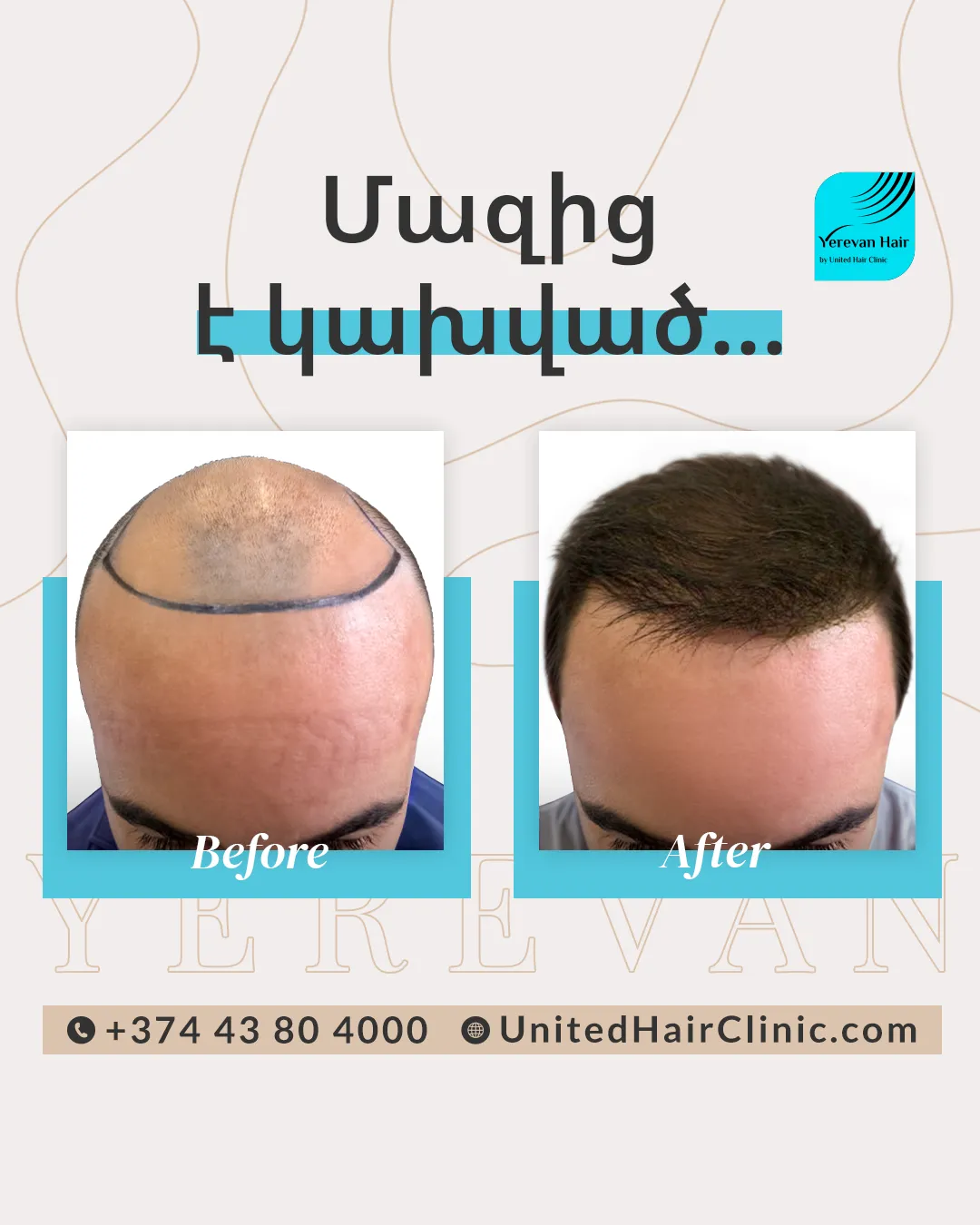
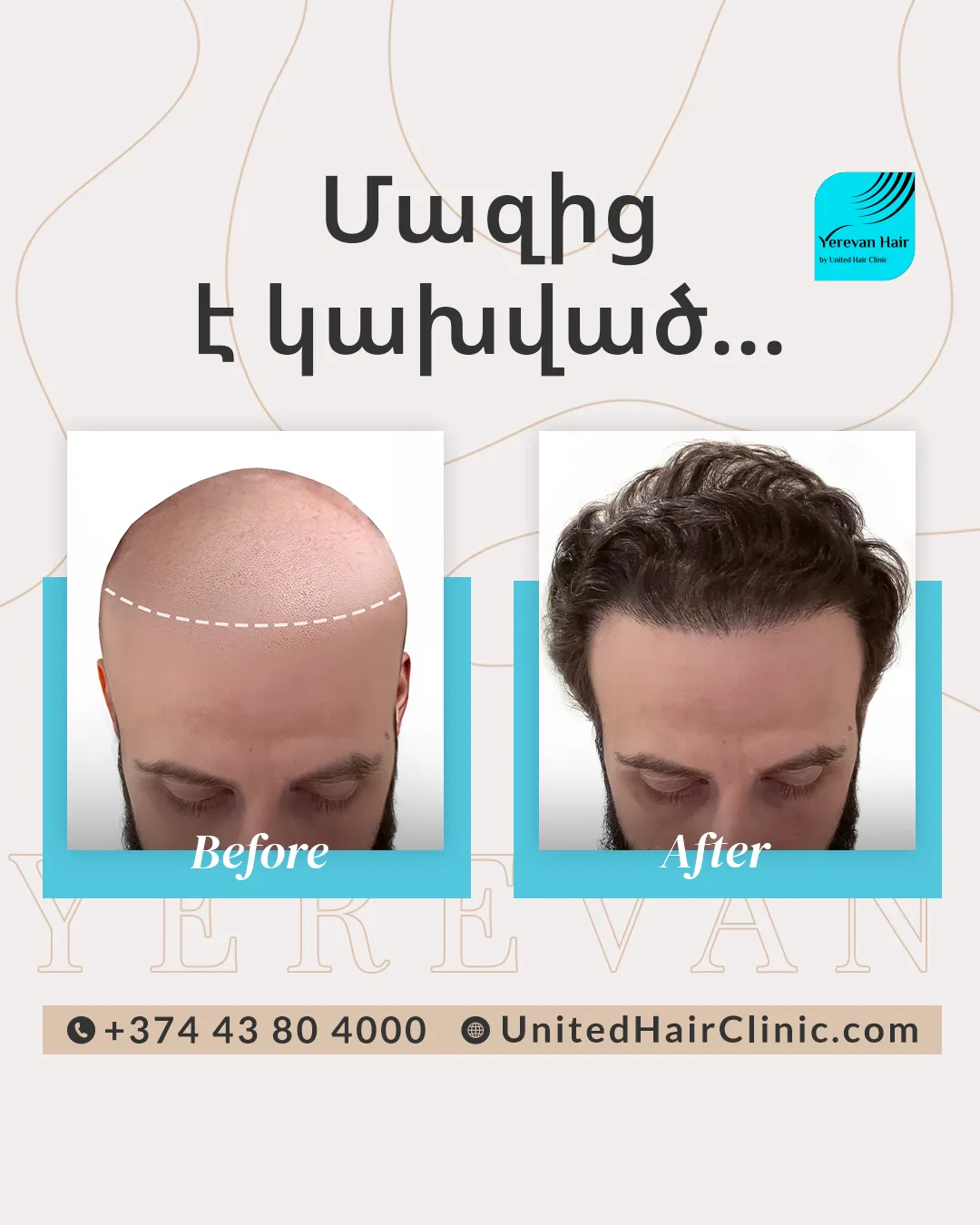
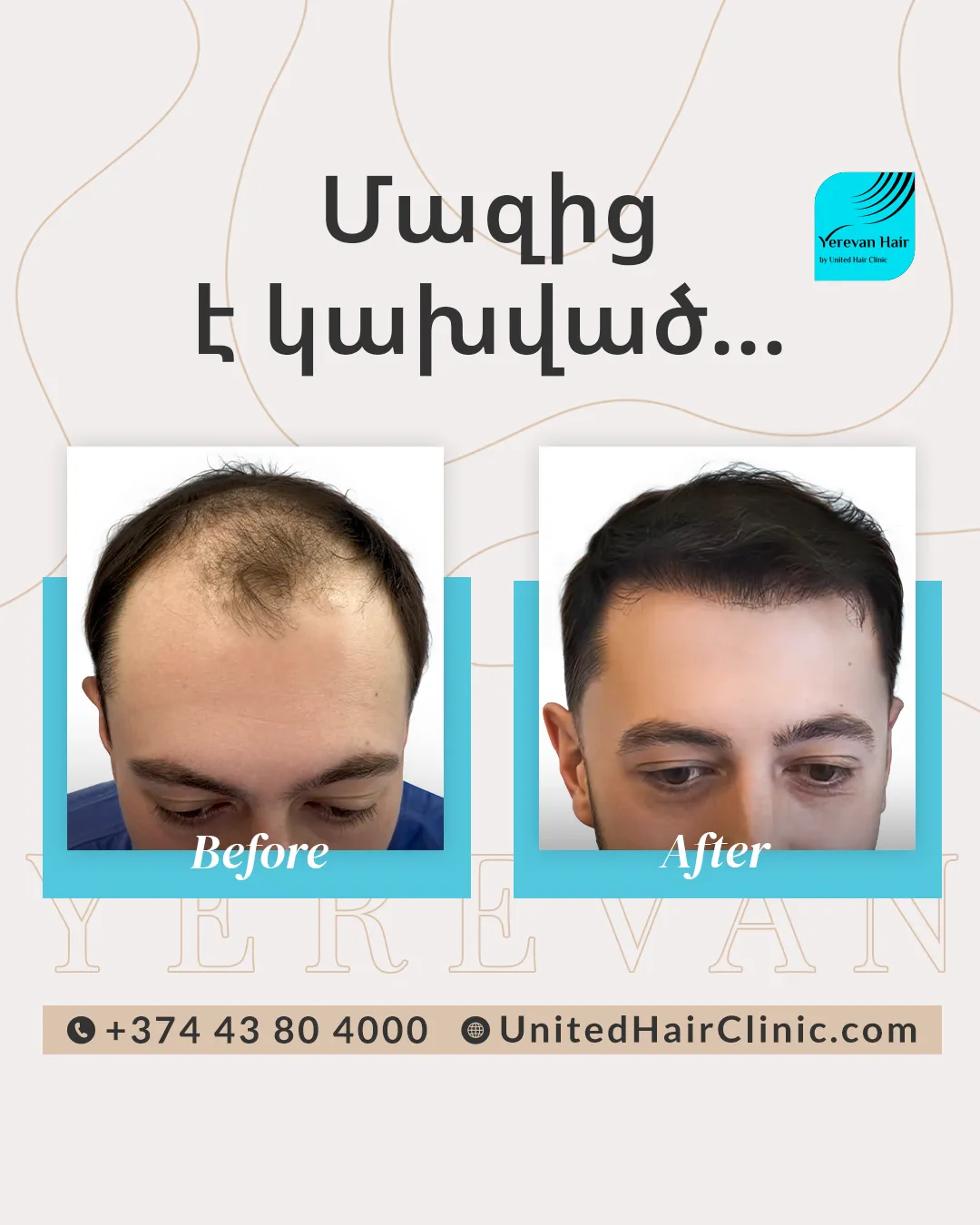
The best results from a crown transplant usually come from realistic planning and the right candidate selection. A perfect “full density” result is not always the goal. Instead, experienced surgeons aim for a natural-looking reduction in baldness that blends well with existing hair.
For many patients, the best outcome is not absolute thickness but a result that reduces scalp show-through and improves the overall balance of the hairstyle. A successful hair transplant crown usually looks better when the surrounding hair is styled with the natural direction of the whirl and when the density plan matches the existing donor supply.
What Determines Crown Transplant Results?
Several factors affect how good the final outcome will be.
Donor Hair Quality
The strongest predictor of success is donor supply. Thick, healthy grafts usually create better coverage.
Size of the Bald Area
A small crown thinning spot is easier to restore than a large bald vertex.
Hair Characteristics
Coarse, wavy, or curly hair often gives better visual coverage than very fine straight hair.
Surgeon Skill
Crown placement requires experience, especially to match the swirl pattern and direction of growth.
Age and Pattern Stability
Patients with more stable hair loss often get better long-term results.
Number of Grafts
The crown may require a high graft count, and insufficient graft numbers can limit density.
Other factors can also matter, such as scalp laxity, the number of prior procedures, and whether the patient has existing miniaturized hair in the crown. If those weaker hairs are still present, surgeons may need to balance the transplant carefully so the new growth blends without overusing donor grafts. This is another reason the planning stage for a hair transplant crown is so important.
How Many Grafts Are Needed for a Crown Hair Transplant?
The exact number of grafts depends on the size of the area and the desired density. In general:
– Mild crown thinning: about 800 to 1,500 grafts
– Moderate crown loss: about 1,500 to 2,500 grafts
– Large crown bald area: 2,500 grafts or more
Some patients may need a second procedure later if hair loss progresses or if the initial transplant was intentionally conservative.
It is common for surgeons to recommend a staged approach rather than trying to pack the entire vertex at once. A staged plan can preserve donor hair for future needs and still deliver a visible improvement now. In practical terms, the right graft count for a hair transplant crown is the number that creates a balanced result without exhausting donor supply too quickly.
Hair Transplant Crown Cost
The cost of a hair transplant crown can vary widely based on location, clinic reputation, technique, and graft count. The crown often costs more overall because it may require more grafts than a small frontal procedure.
Typical Cost Range
While prices vary by country and clinic, the crown transplant cost may range from:
These are general estimates. The actual price depends on:
– Number of grafts
– Whether FUT or FUE is used
– Surgeon experience
– Clinic location
– Need for multiple sessions
– Anesthesia and follow-up care
Because the vertex often requires more grafts than people expect, a quote for a hair transplant crown may appear higher than expected even when the surgeon is using a conservative density plan. That does not necessarily mean the clinic is expensive; it may simply reflect the number of grafts needed to make the crown look natural.
FUE vs FUT for Crown Transplants
Two common techniques are used for crown restoration: FUE and FUT.
FUE (Follicular Unit Extraction)
Individual follicles are removed one by one from the donor area.
Pros:
– No linear scar
– Faster healing in the donor area
– Good for shorter hairstyles
Cons:
– May take longer
– Can be more expensive
– May produce fewer grafts in one session
FUT (Follicular Unit Transplantation)
A strip of scalp is removed from the donor area, and grafts are separated for transplantation.
Pros:
– Often yields a high number of grafts
– Can be efficient for larger crown cases
– May be cost-effective for extensive loss
Cons:
– Leaves a linear scar
– Longer recovery in the donor area
– Less ideal for very short hairstyles
The best technique depends on your hair loss pattern, donor supply, and personal goals.
Some patients also combine restoration with medical treatment to support native hair around the transplanted zone. That can be especially helpful in the vertex, where ongoing thinning may continue even after the operation. When comparing techniques for a hair transplant crown, the main question is not just which method is newer or more popular, but which one best matches your graft needs and long-term hair plan.
What to Expect During Recovery
Hair Transplant Crown recovery is usually manageable, but it takes time. The first few days are the most important for protecting grafts and allowing the scalp to heal.
Recovery Timeline for a Crown Hair Transplant
– Mild swelling, redness, and tenderness are common
– Small scabs form around transplanted grafts
– You may need to sleep with your head elevated
– Avoid touching or scratching the area
First Week
– Scabs begin to loosen and fall off naturally
– Redness may start to improve
– You should follow washing instructions carefully
– Strenuous exercise should usually be avoided
Weeks 2 to 4
– Transplanted hairs often shed, which is normal
– The follicles remain under the skin
– The scalp may look similar to before surgery temporarily
Months 3 to 4
– New growth usually begins
– Early hairs may be thin and uneven at first
Months 6 to 9
– Noticeable improvement in density and coverage
– Hair starts to look more natural
– Final crown results are usually visible
– The crown may continue to mature gradually
During recovery, it is normal to feel anxious because the transplanted hair often sheds before new growth starts. That temporary change can be discouraging, but it is expected. A hair transplant crown usually rewards patience, because the visible improvement comes gradually as the follicles enter the new growth cycle.
Is Shedding After a Crown Transplant Normal?
Yes. Shedding in the first few weeks after surgery is expected. This is often called shock loss or the shedding phase. The transplanted follicles stay in place even though the visible hair falls out. New hair usually grows back later.
Shedding does not mean the procedure failed. In most cases, it is simply part of the normal healing process. The key is understanding the timeline so you do not judge the outcome too early. Many patients only start to appreciate the progress of a hair transplant crown several months after surgery.
How Long Does a Crown Hair Transplant Take to Heal?
The donor area may heal faster than the transplanted crown, especially after FUE. Even so, the appearance of the vertex remains a work in progress for quite a while. If you are hoping for a complete visual change in just a few weeks, that is usually not realistic for a hair transplant crown.
Common Questions About Hair Transplant Crown
Does a crown hair transplant look natural?
Yes, it can look natural when the swirl pattern is planned correctly and the grafts are placed with proper angle and direction. Naturalness depends heavily on the surgeon’s skill.
Can a crown transplant give full density?
Full density is not always realistic, especially in large bald crowns. Many surgeons aim for improved coverage and a natural appearance rather than maximum density.
Will I need more than one procedure?
Possibly. Some patients need a second session if the bald area is large or if hair loss continues over time.
Is the crown harder to transplant than the hairline?
Yes. The crown is generally more difficult because of the swirl pattern, larger graft requirement, and the way thinning is visually perceived.
How soon can I wear a hat?
Many patients can wear a loose hat after several days if the surgeon approves, but this depends on healing and clinic instructions.
When can I wash my hair normally?
Gentle washing often begins within a few days, but normal washing routines should follow your surgeon’s instructions to avoid dislodging grafts.
You may see early changes within a few months, but the crown usually continues improving for much longer. The best time to assess a hair transplant crown is often closer to the 12-month mark, and sometimes later.
Tips for Better Crown Transplant Results
To improve the chances of a successful outcome:
– Choose a surgeon with crown restoration experience
– Be realistic about density and long-term planning
– Follow all aftercare instructions closely
– Avoid smoking before and after surgery
– Protect the scalp from sun exposure
– Use prescribed medications if recommended
– Be patient during the growth phase
These steps can make a meaningful difference in both healing and final appearance.
It also helps to style the hair in a way that supports the natural whirl once growth starts to come in. Gentle hair care, proper cleansing, and realistic expectations all contribute to a better finish. A well-managed hair transplant crown is often the result of both surgical skill and disciplined aftercare.
Who Is a Good Candidate?
You may be a good candidate for a crown hair transplant if:
– Your donor hair is strong enough
– Your pattern of hair loss is relatively stable
– You have realistic expectations
– You understand that results take months
– You want visible improvement rather than instant perfection
A consultation with a qualified hair restoration surgeon is the best way to determine whether the procedure is suitable for your case.
If you are comparing the crown with other restoration zones, it can help to review documented outcomes and understand how donor supply affects visible change. For examples of real-world outcome expectations, you can also explore hair transplant results before deciding on treatment.
Final Thoughts
A hair transplant crown can significantly improve thinning or baldness at the back of the scalp, but it requires careful planning. The crown is one of the most demanding areas to restore, so the best results come from an experienced surgeon, a realistic graft plan, and proper recovery care.
If you are considering this procedure, focus on three things: natural-looking results, accurate cost expectations, and patience during recovery. With the right approach, crown restoration can create a lasting improvement that blends well with your natural hair.
For many patients, the decision comes down to balancing coverage today with long-term planning for future hair loss. That balance is especially important in the crown, where a thoughtful hair transplant crown strategy can create a result that looks natural now and remains practical over time.