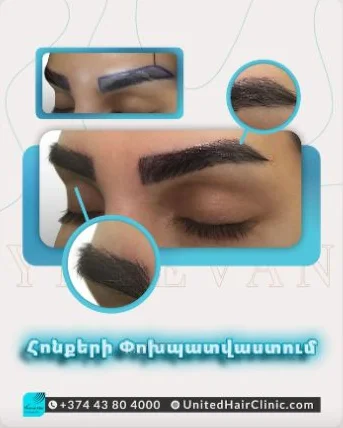
Eyebrow Transplantation for Natural, Lasting Results
Learn how eyebrow transplantation can restore thin, patchy, or overplucked brows with natural-looking hair that lasts, who may be a good candidate, and what to expect from the procedure and results.
In addition, Eyebrow transplantation is a permanent cosmetic procedure designed to restore sparse, thin, overplucked, or missing eyebrows with natural-looking hair growth. For people who want fuller brows without daily makeup or temporary fixes, it can be an effective long-term option. When performed by an experienced specialist, the results can look soft, balanced, and realistic for years.
As a result, this article explains what eyebrow transplantation is, who it is for, how the procedure works, what results to expect, and what you should know before deciding if it is right for you. For more background on hair restoration, see hair transplantation. For a trusted medical overview of hair loss, visit the American Academy of Dermatology’s guide to hair loss causes.
What Is Eyebrow Transplantation?
However, Eyebrow transplantation is a hair restoration procedure in which healthy hair follicles are taken from another part of the body, usually the back of the scalp, and implanted into the eyebrow area. These transplanted follicles keep growing after healing, creating fuller brows that can be shaped and maintained over time.
Because the transplanted hairs are real follicles, the result is more natural than tattooing or microblading. Unlike semi-permanent cosmetic treatments, eyebrow transplants can provide lasting density and a more authentic hair texture.
Who Is a Good Candidate for Eyebrow Transplantation?
For example, Eyebrow transplantation may be a good option for people who have:
- Thin or patchy eyebrows
- Hair loss from overplucking
- Scarring in the eyebrow area
- Hair loss due to genetics
- Hair loss from burns or trauma
- Hair loss after medical treatment or illness
- Uneven brows that they want to improve
Meanwhile, a good candidate should have enough healthy donor hair and realistic expectations about the outcome. In some cases, underlying medical conditions may need to be addressed before the procedure.
Why People Choose Eyebrow Transplantation
Many people choose eyebrow transplantation because they want a long-term solution that looks natural. Common reasons include:
Eyebrow Transplantation and natural appearance
Overall, the goal is to recreate the direction, shape, and density of real eyebrow hair.
Eyebrow Transplantation and permanent results
In addition, Once transplanted follicles take root, they generally continue growing for a long time.
Eyebrow Transplantation and less daily makeup
As a result, There is less need to fill in brows with pencils, powders, or gels every day.
Eyebrow Transplantation and customized design
However, the shape, angle, and thickness of the brows can be tailored to suit the face.
Improved confidence
For example, Well-balanced eyebrows can make a noticeable difference in facial harmony and self-image.
How Eyebrow Transplantation Works
Meanwhile, the procedure is usually performed in several steps:
1. Consultation and brow design
Overall, the specialist examines your brows, discusses your goals, and designs the eyebrow shape. This step is important because eyebrow design affects the final result. The brow line should complement your facial features and look natural from all angles.
2. Donor hair collection
In addition, Hair follicles are usually taken from the scalp, often from the back of the head where hair is dense and healthy. The harvesting method is commonly follicular unit extraction, or FUE, which removes individual follicles one by one.
3. Preparing the grafts
As a result, the extracted follicles are carefully prepared for implantation. Only the healthiest grafts are selected for transfer.
4. Implantation into the eyebrow area
However, Tiny incisions are made in the eyebrow region, and the follicles are placed at precise angles and directions to mimic natural eyebrow growth.
5. Healing and growth
For example, the brows begin healing over the following weeks. Transplanted hairs may shed at first, which is normal. New growth then starts gradually over the next few months.
What Makes Eyebrow Transplant Results Look Natural?
Meanwhile, Natural results depend on both technical skill and artistic design. The brows must match the face in size, density, and direction. Important factors include:
Proper angle and direction
Overall, Eyebrow hairs do not grow straight up. They lie in different directions depending on the section of the brow. Correct placement is essential for realism.
Gradual density
In addition, Natural brows are not uniformly thick. The front of the brow is usually softer, while the body and tail may be more defined.
Hair selection
Scalp hair is often slightly thicker or grows longer than eyebrow hair, so the surgeon must choose and place grafts carefully.
Balanced shape
As a result, Overly sharp, high, or symmetrical brows can look artificial. A skilled specialist creates a shape that suits the patient’s face.
Conservative planning
However, a subtle approach often creates the most realistic and timeless result.
What to Expect During Recovery
Recovery after eyebrow transplantation is usually straightforward, but it requires careful aftercare.
First few days
For example, You may notice mild redness, swelling, or small scabs around the implanted follicles. This is normal and usually temporary.
First couple of weeks
Meanwhile, the area begins to heal. The transplanted hairs may fall out, which can be alarming but is expected. The follicles remain under the skin and continue developing.
First few months
Overall, New hair growth gradually begins. At first, the hairs may be fine or uneven, but this improves over time.
Final results
In addition, Most people see noticeable improvement within 6 to 12 months, with the full result appearing as the follicles mature.
Do Eyebrow Transplants Last Forever?
Eyebrow transplantation is considered a long-lasting or permanent solution because the transplanted follicles typically continue to grow hair. However, “permanent” does not mean maintenance-free.
Since the donor hair often comes from the scalp, the transplanted hairs may grow longer than natural eyebrow hairs. This means they usually need regular trimming and grooming to keep them looking neat. Some people also choose occasional shaping to maintain the desired brow style.
Are Eyebrow Transplants Safe?
When performed by a qualified medical professional, eyebrow transplantation is generally considered safe. As with any procedure, there are some risks, including:
- Temporary swelling or redness
- Mild discomfort
- Infection
- Uneven growth
- Poor graft survival
- Scarring
- Unnatural appearance if poorly planned
Choosing an experienced specialist is one of the most important ways to reduce risks and improve the final result.
Eyebrow Transplant vs. Microblading
Many people compare eyebrow transplantation with microblading. While both can improve eyebrow appearance, they are very different.
Eyebrow transplantation
- Uses real hair follicles
- Creates actual hair growth
- Offers long-term results
- Requires a surgical procedure and healing time
Microblading
- Uses pigment placed under the skin
- Creates the appearance of brow hairs
- Fades over time and needs touch-ups
- Is less invasive but less permanent